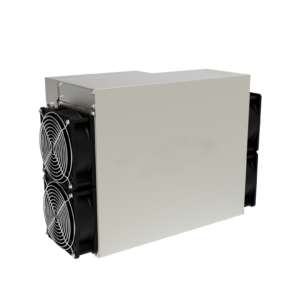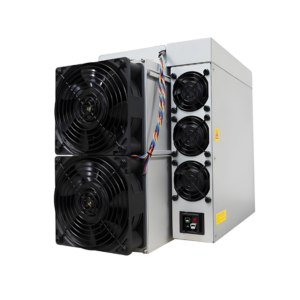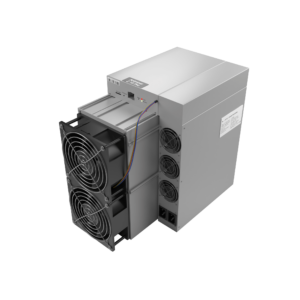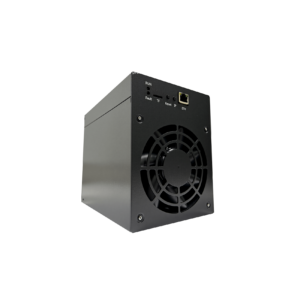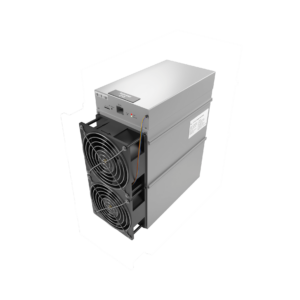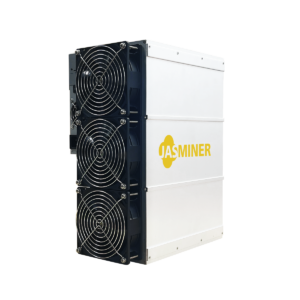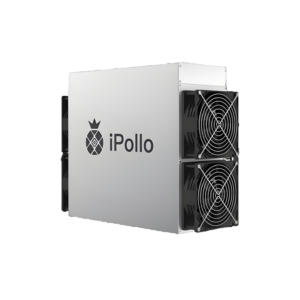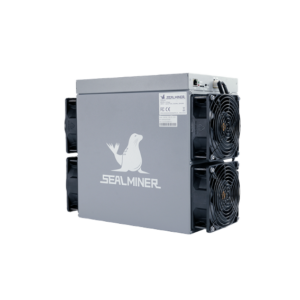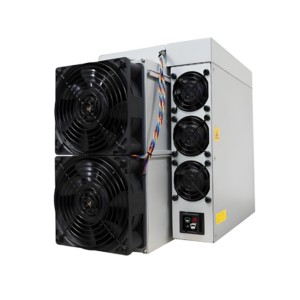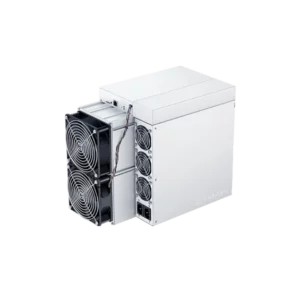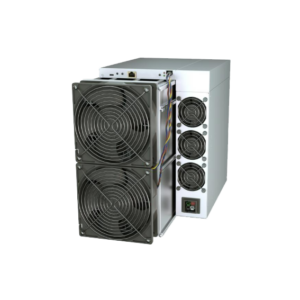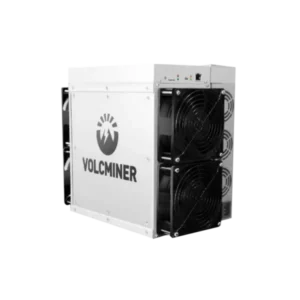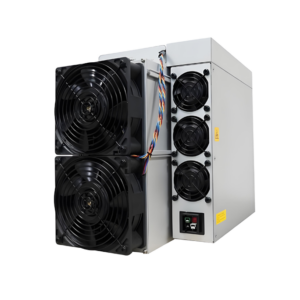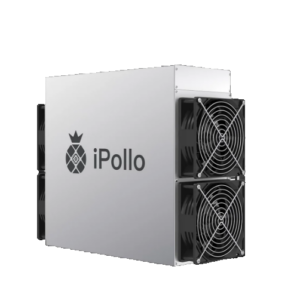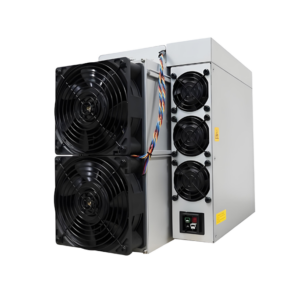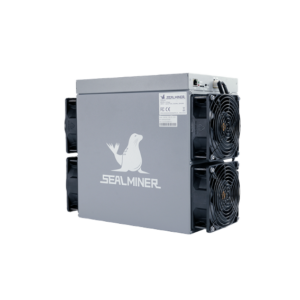
Industrial miners refer to high-performance ASIC mining hardware designed for deployment at scale in professional mining facilities. Unlike consumer or home-oriented miners, industrial miners are engineered to deliver maximum hash power, high energy efficiency, and long-term durability under continuous 24/7 operation. These machines are typically part of large racks in climate-controlled data centers powered by dedicated electrical infrastructure, often combined with advanced cooling solutions such as air-to-liquid heat exchangers or immersion/ hydro cooling systems.
The key differentiators of industrial miners include robust chassis design, optimized airflow architecture, support for high electrical input and thermal loads, and firmware tailored for sustained loads. Industrial miners are most commonly used for proof-of-work algorithms such as SHA-256 (for Bitcoin and related coins) and other high-competition networks where raw hash power and operational efficiency determine long-term profitability. These rigs are rarely used in residential settings due to their power draw, noise levels, and cooling requirements, but they form the backbone of professional mining operations around the world.
Deploying industrial miners requires planning around power distribution, facility cooling capacity, ventilation, noise mitigation, and maintenance. Operators often pair multiple industrial miners with infrastructure such as UPS systems, backup power, automated monitoring, and centralized hash rate management. From an investment perspective, industrial miners should be evaluated on power efficiency (J/TH or W/TH), durability, compatibility with mining pools, and total cost of ownership rather than purely on price or peak hashrate figures.
This page provides insight into leading industrial miner models available in the market, highlighting their general performance profiles and suitability for large-scale mining operations, helping enterprises and serious miners make informed decisions about hardware deployment.